
Benefits of Epoxy Flooring for Industrial Spaces
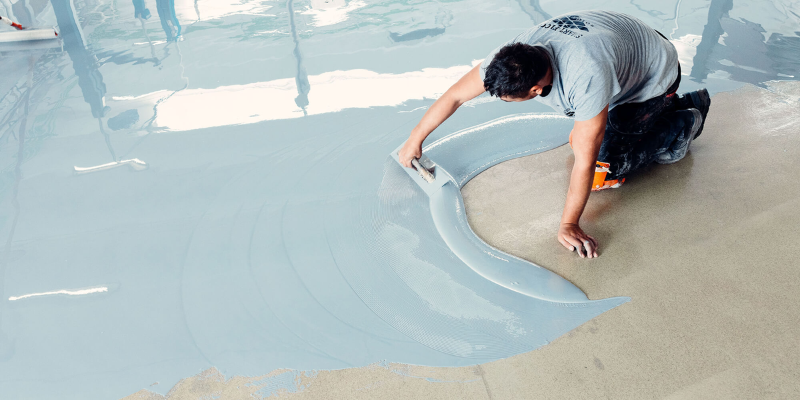
Benefits of Epoxy Flooring: What Nobody Tells You Before You Install It
Ask five contractors about epoxy flooring and you'll get five different opinions. That's honestly why the question "is epoxy flooring good or bad" keeps popping up in every WhatsApp group and Google search bar in India right now. So let's settle it properly — with real experience, not just theory.
We're Shreya Buildcon, and we install epoxy floors for homes, offices, and factories on a near-weekly basis. What follows isn't textbook stuff. It's what we've actually seen work — and fail — on real sites.
Why Everyone's Suddenly Talking About Epoxy
Here's the short version: epoxy resin gets poured over a concrete base in layers, and once it cures, you're left with a rock-hard, glossy, seamless flooring surface. No tile joints. No grout lines collecting grime. Just one continuous surface, wall to wall — which is really where the benefits of epoxy start to show.
That single trait is honestly what settles most of the "epoxy flooring good or bad" argument on its own. A floor with no joints has nowhere for water, oil, or bacteria to hide. Try getting that from ceramic tiles.
Key Benefits (The Stuff That Actually Matters)
Before we get into the finer advantages of epoxy flooring, here's what most of our clients actually care about:
- Survives heavy footfall, trolleys, and machinery without cracking
- The seamless flooring finish means zero grout lines to scrub
- Chemical, oil, and stain resistance plain concrete can't match
- Cleaning takes minutes, not hours
- The glossy surface bounces light around, so rooms feel brighter
- Cheaper over 10 years than replacing cracked tiles again and again
- Dozens of colours, flakes, and metallic finishes to pick from
None of this is marketing fluff — these are the exact reasons garages, hospitals, warehouses, and even living rooms across India are switching over.
The Real Advantages of Epoxy Flooring
It's genuinely tough. This is where the advantages of epoxy flooring become obvious fast. Forklifts, dropped tools, dragged furniture — epoxy just shrugs it off. We've walked into ten-year-old factory floors that still look freshly poured.
The seamless flooring factor. We keep coming back to this because it matters: seamless flooring isn't just about looks. Without joints, there's simply nowhere for spills to seep into the base layer. That's a big deal in kitchens, hospitals, and food units where hygiene isn't optional.
Maintenance you can actually keep up with. Among the everyday benefits of epoxy, this one gets underrated. A damp mop once a week is often all it needs — compare that to marble that needs polishing or wood that needs sealing every year or two.
Safety isn't just about the floor. Anti-slip additives can be mixed into the top coat, which helps a lot in wet-prone areas. But safety during installation matters just as much. If you wear prescription lenses, always pick safety goggles over eyeglasses — normal eyeglasses don't seal around your eyes and won't stop resin fumes or splashes from reaching them. Every crew we send out is told, quite firmly, to wear safety goggles over eyeglasses rather than risk it. It's a small rule, but it's non-negotiable on our sites.
Looks that don't feel mass-produced. The advantages of epoxy flooring aren't only practical — glossy, matte, metallic, flaked — there's a finish for almost every taste, and you're not stuck with whatever tile pattern is trending that year.
Let's Talk About Epoxy Flooring Problems Too
We'd be lying if we said epoxy has zero downsides. Real epoxy flooring problems do exist, and pretending otherwise wouldn't help you:
- Yellowing in areas that get direct sunlight for years, especially with cheap resin
- A slippery feel underfoot when wet, if no anti-slip additive was added
- Visible patch marks if you ever need to repair a damaged section
- A curing period of a day or two where the space is basically off-limits
- Peeling or bubbling if it's laid over concrete that wasn't properly dried or prepped
Here's the thing though — almost every one of these epoxy flooring problems traces back to a rushed job or cheap material, not the epoxy itself. Get the surface prep and resin quality right, and most of this list simply doesn't apply to you.
So, Is Epoxy Flooring Good or Bad, Really?
Back to that original question. Honestly, it comes down to who's installing it. A rushed job with the wrong resin brings the exact epoxy flooring problems we listed above. A properly prepped floor with quality material? The benefits of epoxy — durability, hygiene, that seamless flooring look, low upkeep — win out by a wide margin. We've rarely had a client regret it once it's done right.
How We Do It Differently at Shreya Buildcon
We don't skip steps. Surface prep, moisture testing, layered resin application, proper curing time — every stage gets done in order, so you actually get the benefits of epoxy without cutting corners. That's exactly why our clients get the advantages of epoxy flooring without the complaints on that list above. Our crews also stick to strict on-site rules: proper ventilation, tested resin batches, and yes, safety goggles over eyeglasses for anyone on the team who needs vision correction.
Bottom Line
Epoxy isn't a fad — it's a genuinely smart upgrade for homes, offices, and industrial floors alike. Between the seamless flooring finish and the sheer toughness, the benefits of epoxy make it one of the better flooring bets you can make right now. If you're still torn — epoxy flooring good or bad — for your specific space, get someone to actually inspect the site before you decide; that one visit saves a lot of regret later.
Frequently Asked Questions
1. Is epoxy flooring good or bad if I have kids or pets at home?
It's a solid choice, honestly. No grout lines means no hidden mess from pet hair or spilled juice, and wiping it down takes seconds.
2. How many years does epoxy flooring actually last?
Somewhere between 10 and 20 years if it's installed properly and doesn't get neglected.
3. What epoxy flooring problems come up most often?
Yellowing under sunlight, slipperiness when wet, and peeling from bad surface prep — all of which a decent contractor can avoid.
4. Does epoxy get slippery?
A plain glossy finish can, yes, especially wet. An anti-slip additive during application fixes that completely.
5. What should installers wear while applying it?
Gloves, a proper respirator, and safety goggles over eyeglasses if they normally wear prescription glasses — regular eyeglasses won't block resin fumes or splashes.